The Oudhalo journal
Learn to choose incense with your own nose.
Practical guides to bamboo-free incense, scent strength, room size, storage, safety, and first sets.
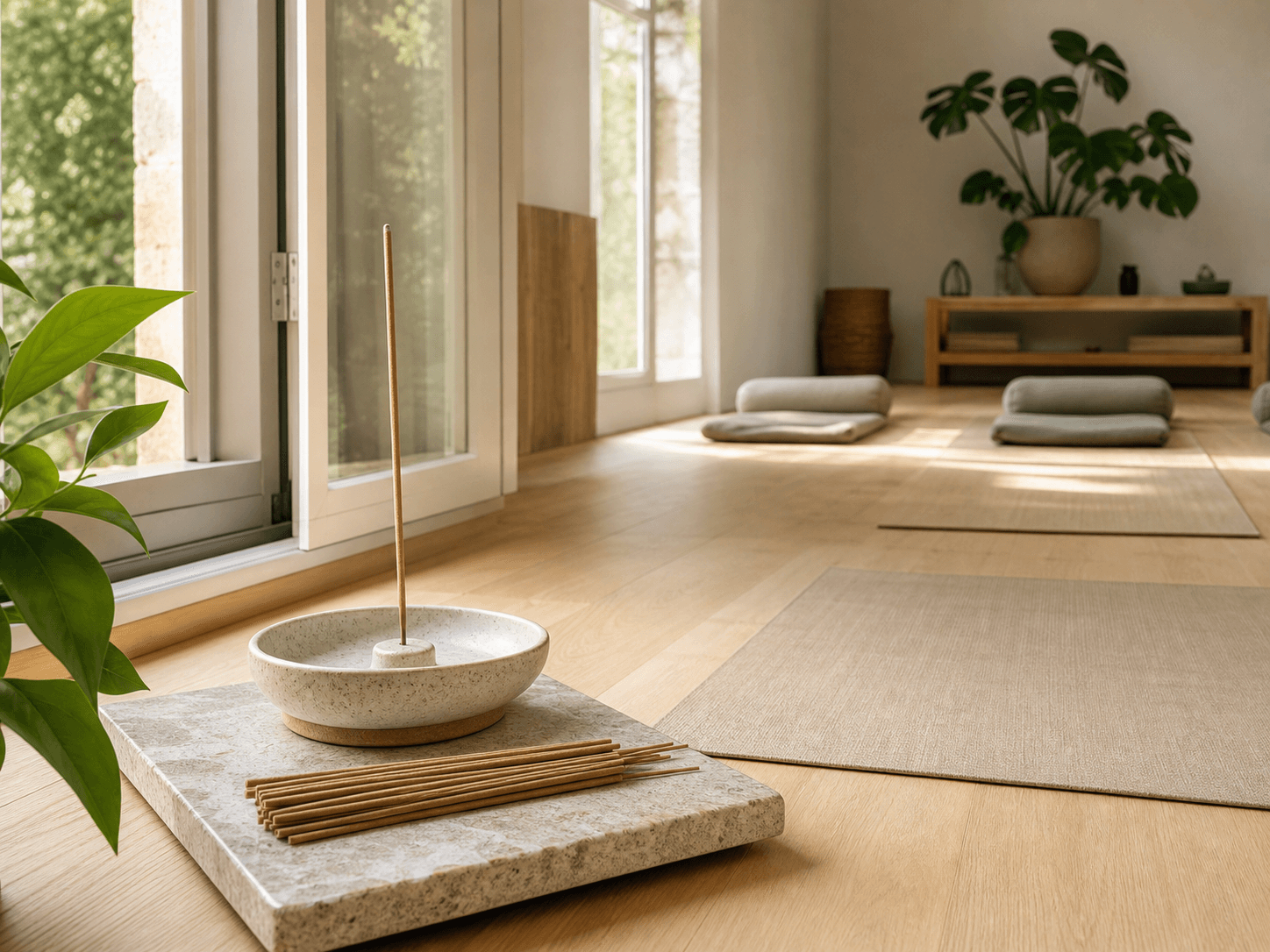
What Incense Sticks Are Suitable for a Yoga Space?
Yoga spaces are better suited to soft, low-smoke, stable-burning incense sticks with gentle woody, herbal, or light floral scent directions.
Read article ↗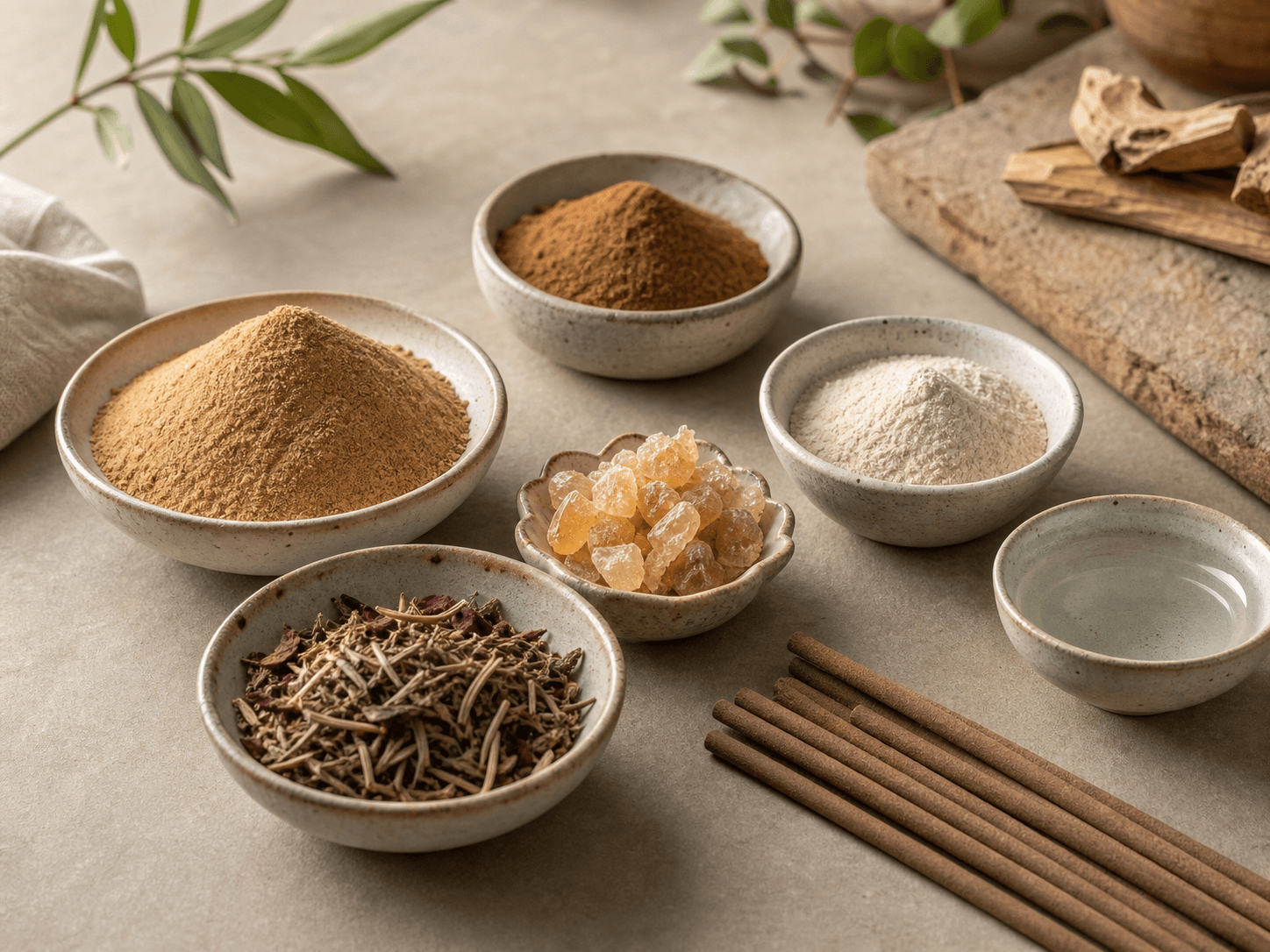
What Are the Main Ingredients of Incense Sticks?
Incense sticks are typically made from fragrance powders, base powders, and binders. Some recipes also include resins, herbs, flowers, or spices.
Read article ↗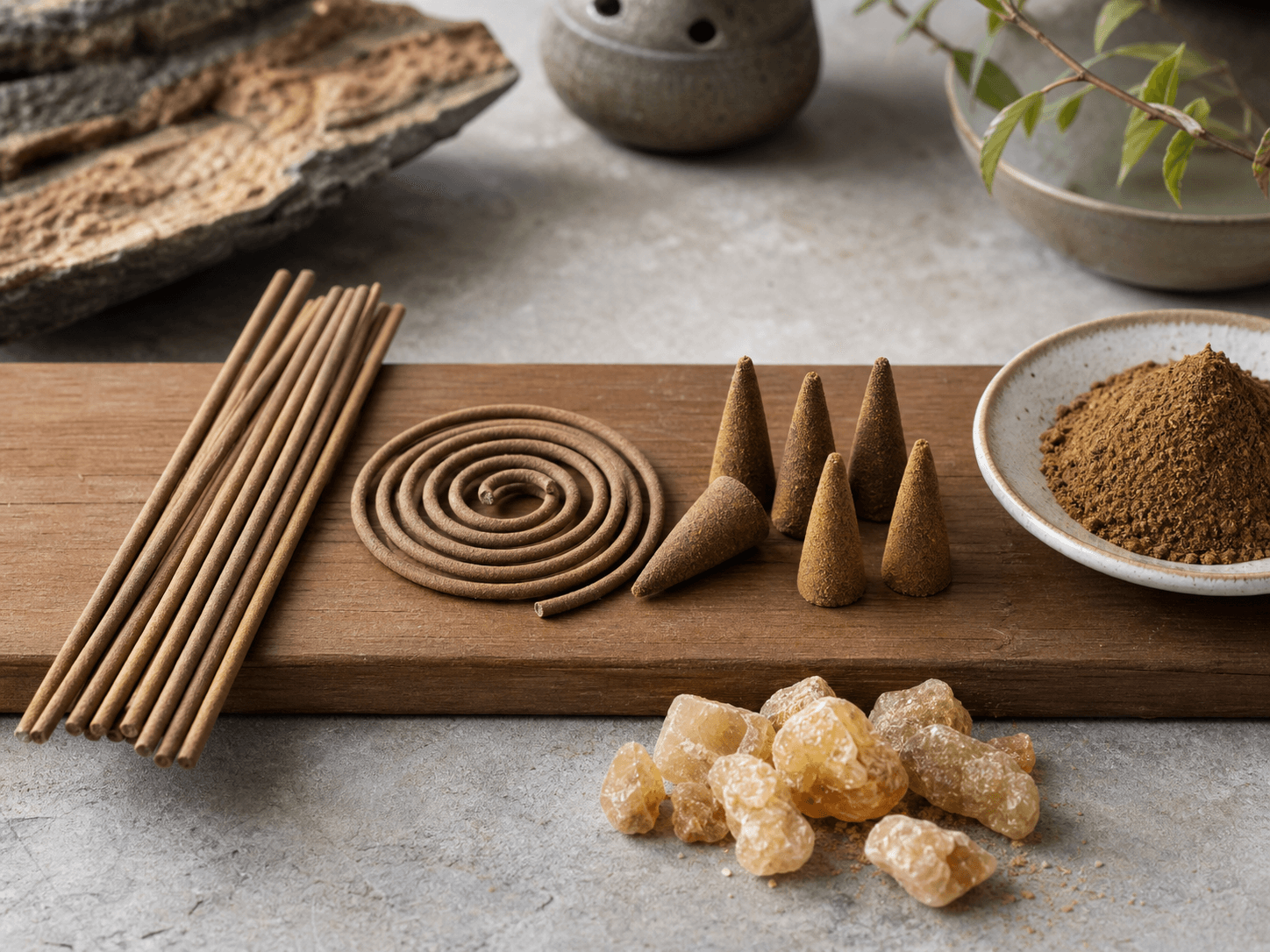
What Are the Common Forms of Incense?
Common incense forms include incense sticks, coils, cones, incense powder, incense seal, incense pellets, incense cakes, and sachets. Each form is suited to different spaces, burn times, smoke levels, and usage methods.
Read article ↗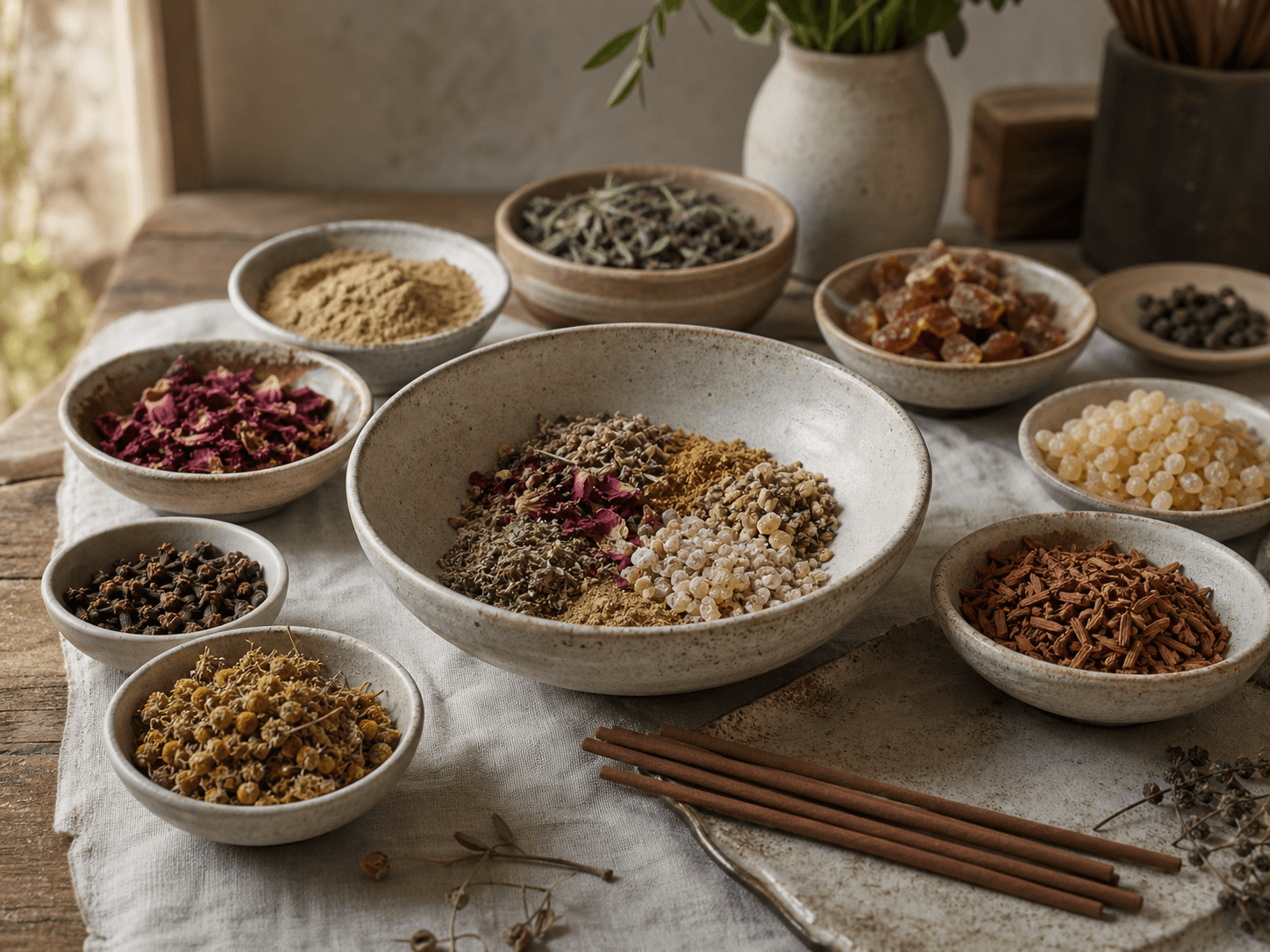
What Is Blended Incense?
Blended incense is made by mixing two or more aromatic materials in specific proportions to create a fuller fragrance. It can be made into incense sticks, spiral incense, cones, incense powder, pellets, cakes, or sachets.
Read article ↗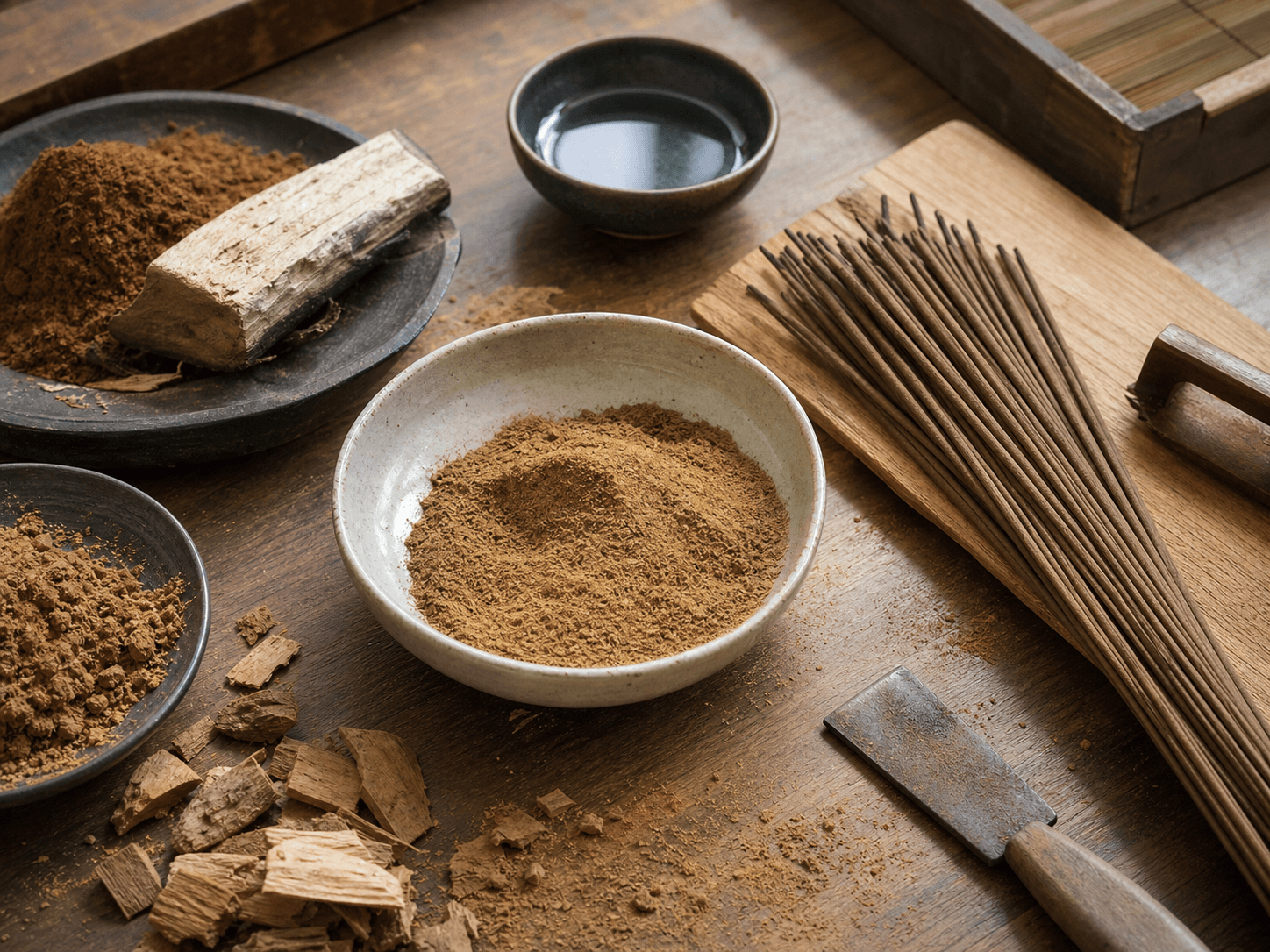
What Is Makko Powder and What Does It Do in Incense Sticks?
Makko powder is a natural incense binder that helps aromatic powders hold together, form stable incense sticks, and burn more evenly.
Read article ↗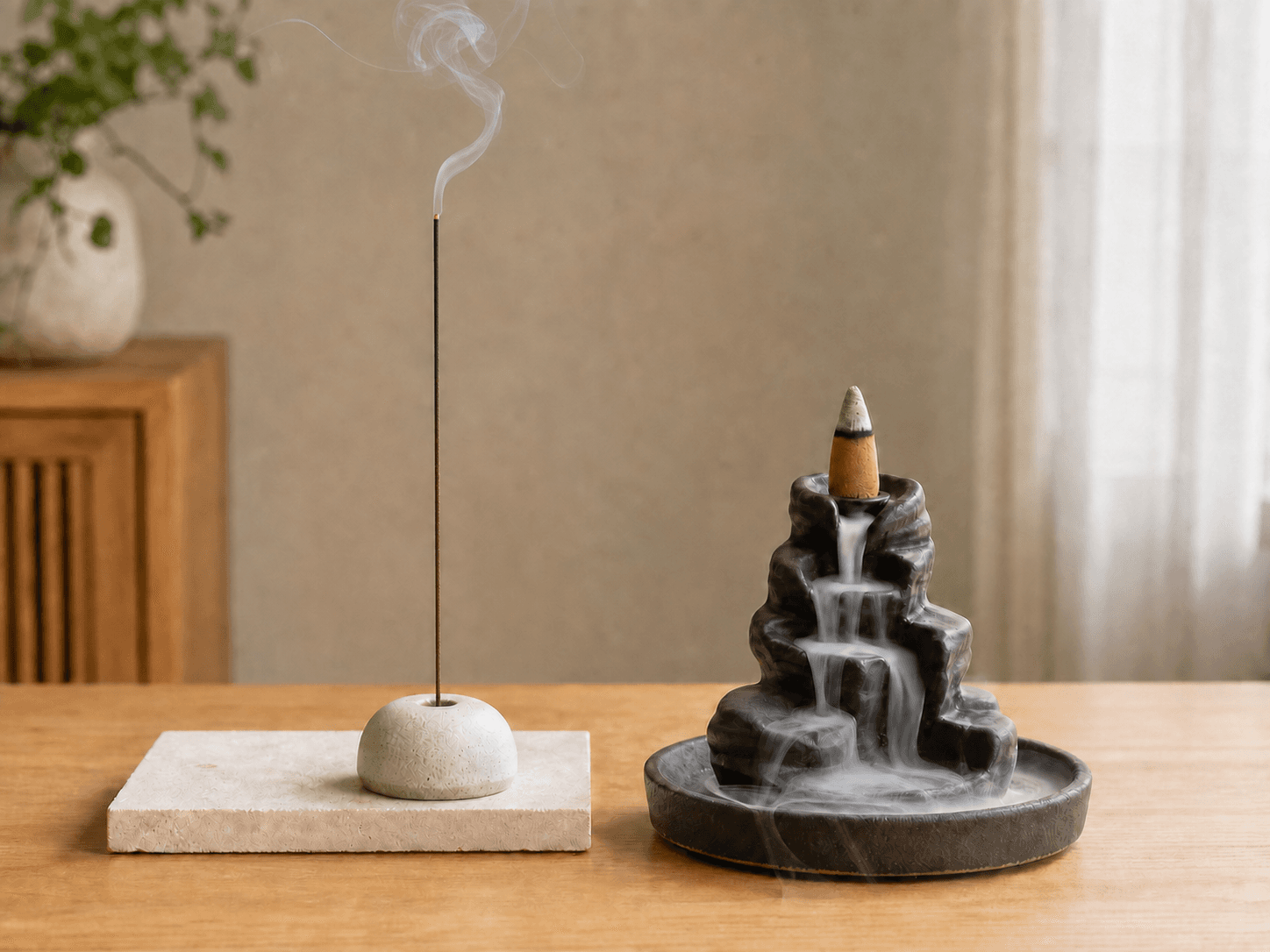
Incense Sticks vs. Backflow Incense: What’s the Difference?
Incense sticks send smoke upward and are simple to use with a holder. Backflow incense uses a special cone and compatible burner to guide smoke downward for a visual effect.
Read article ↗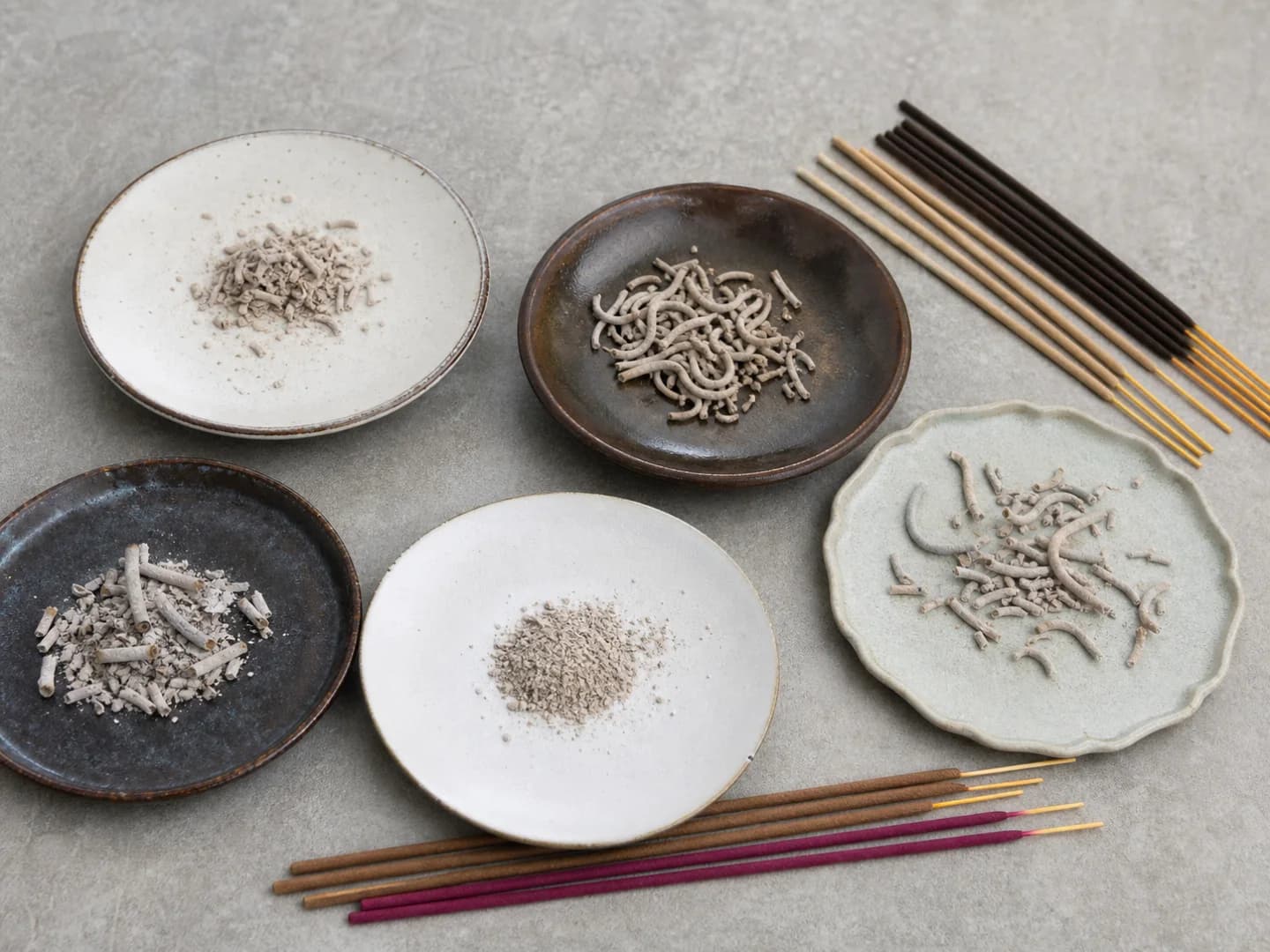
Can incense ash tell you if incense is natural?
Incense ash alone cannot reliably tell you whether incense is natural or made with artificial fragrance oils. Online advice often says that curled, unbroken ash…
Read article ↗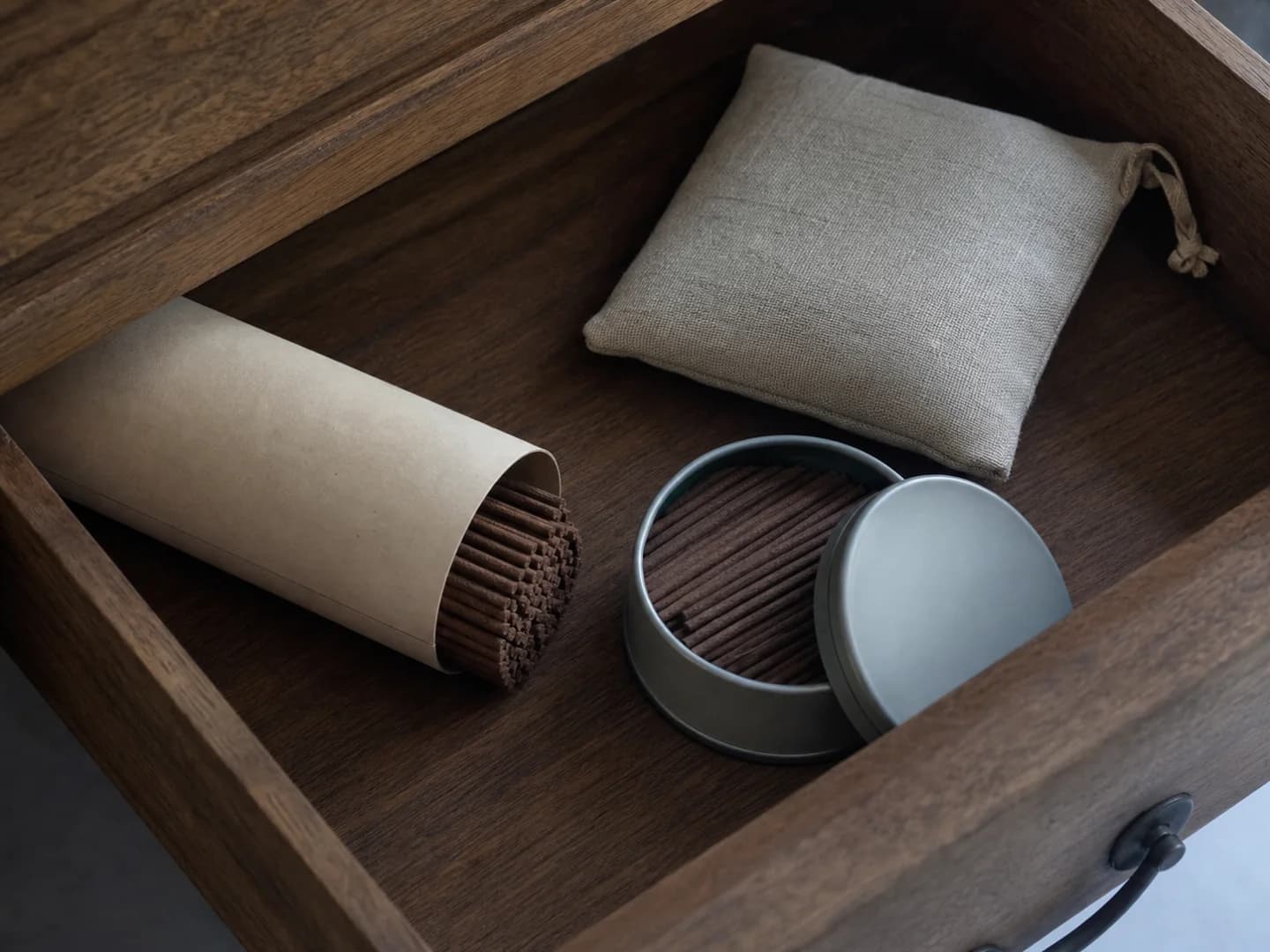
How to store incense sticks so the scent lasts longer
Incense sticks should be stored in a dry, shaded place, away from moisture, direct sunlight, kitchen smells, perfume, and cleaning products. A sealed tube, tin…
Read article ↗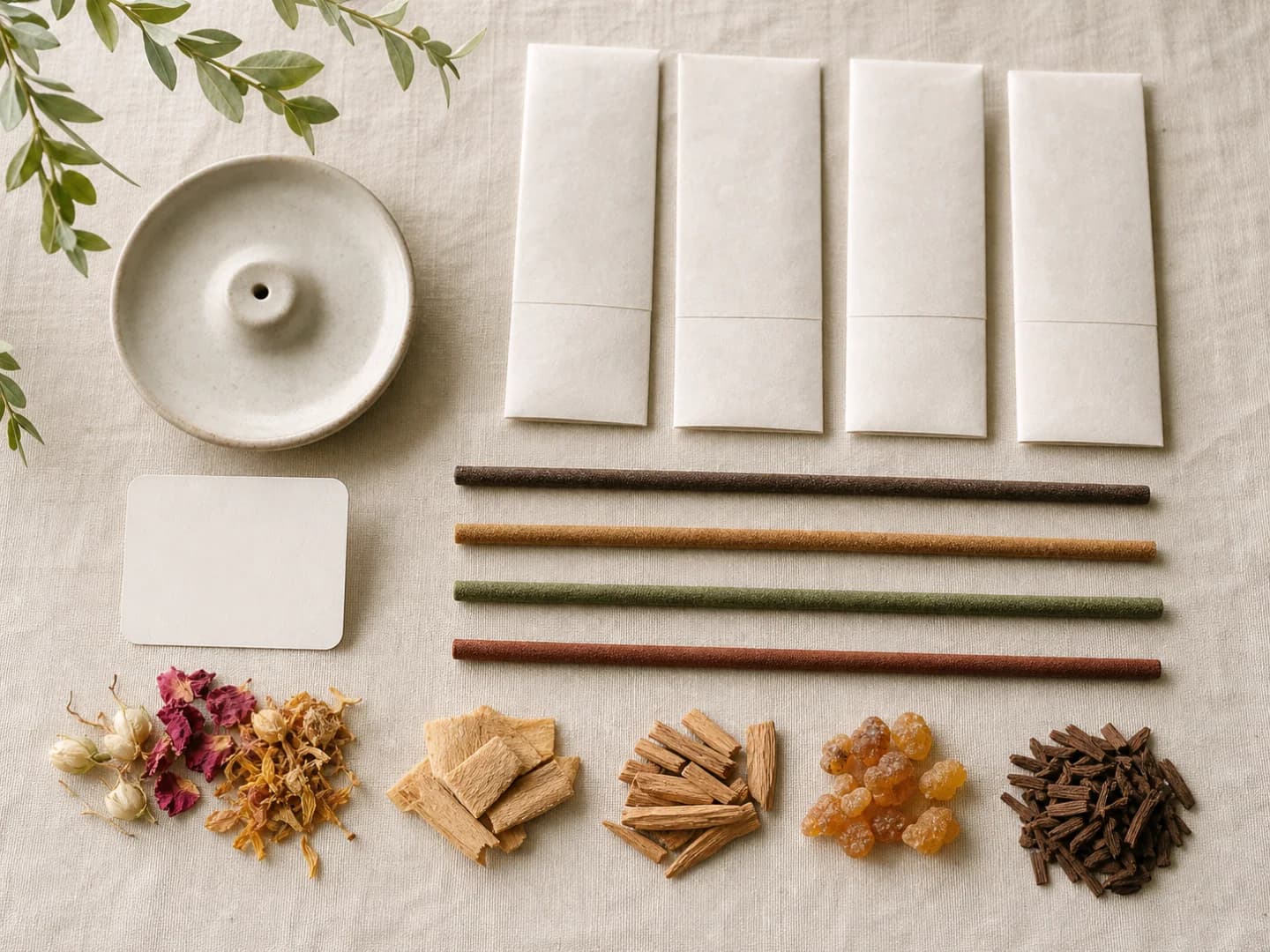
Beginner incense set: what should be inside?
A good beginner incense set should not be a random mix of bestsellers. It should teach the nose.
Read article ↗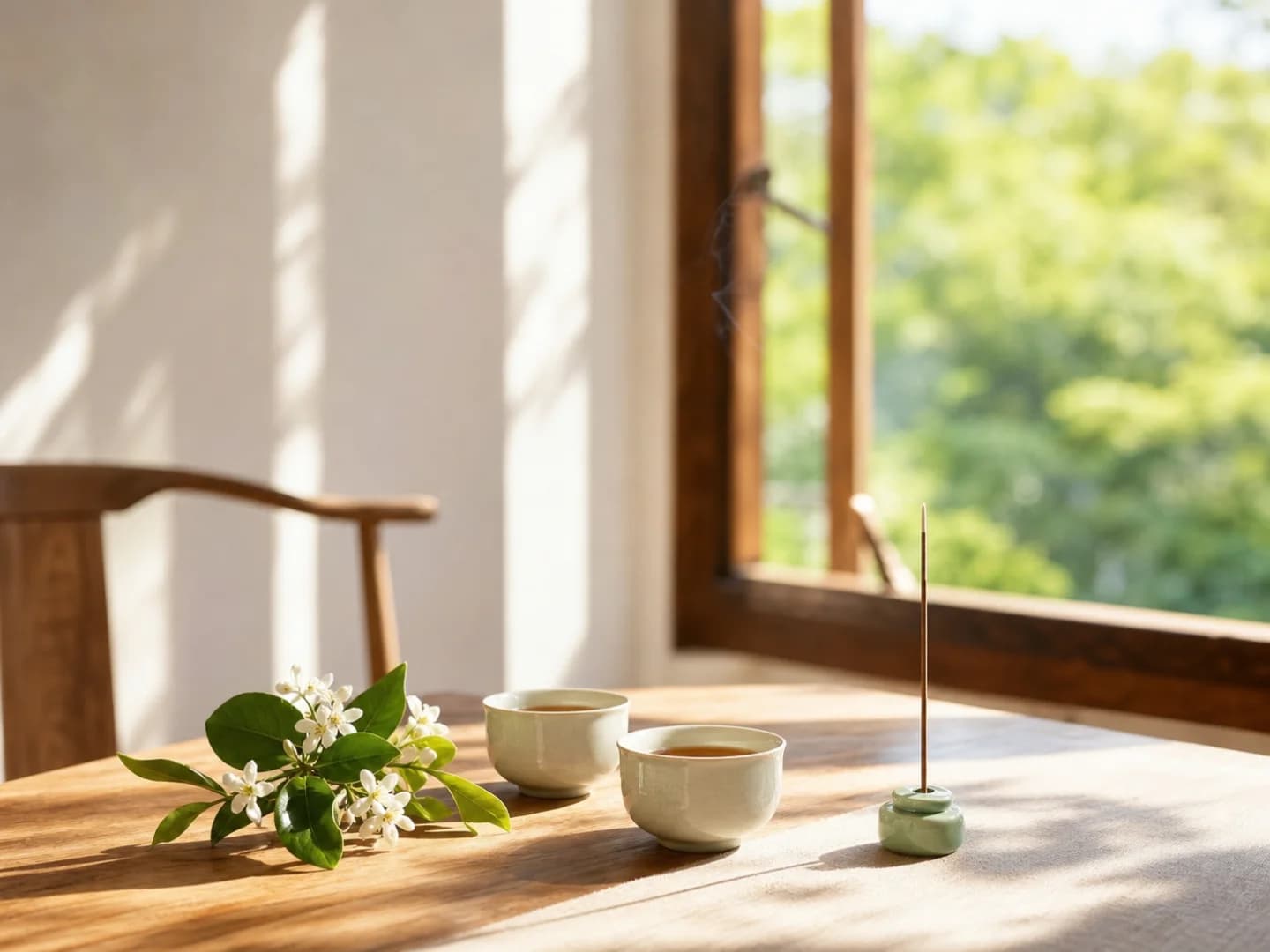
Incense for guests, morning rooms, and clean atmospheres
Not every incense is for night. Some scents work better in the morning or before guests arrive.
Read article ↗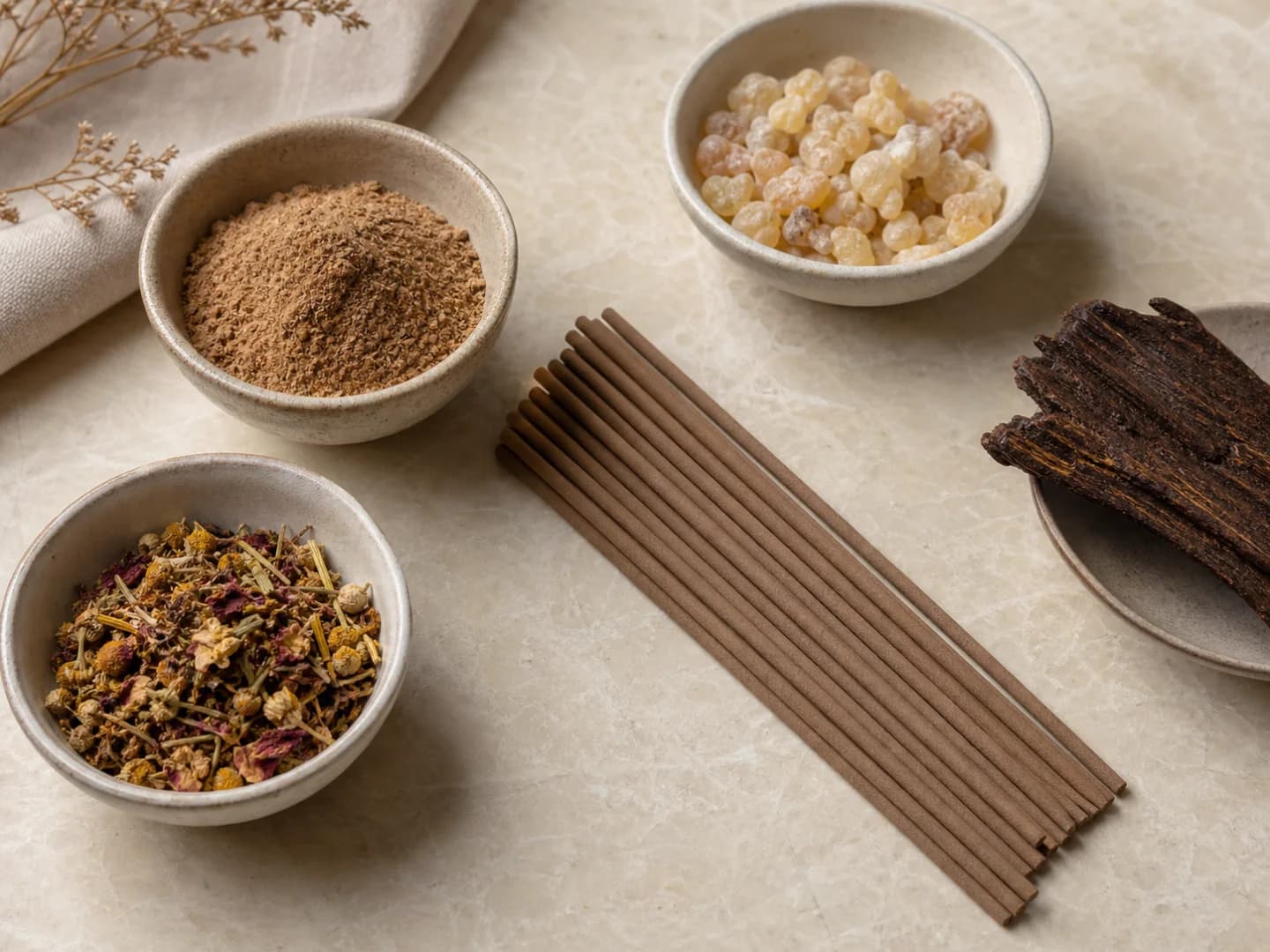
How to tell natural incense from artificial fragrance incense
Natural incense usually smells softer, quieter, and less sharp than incense built around artificial fragrance oils. It does not need to fill the room immediately…
Read article ↗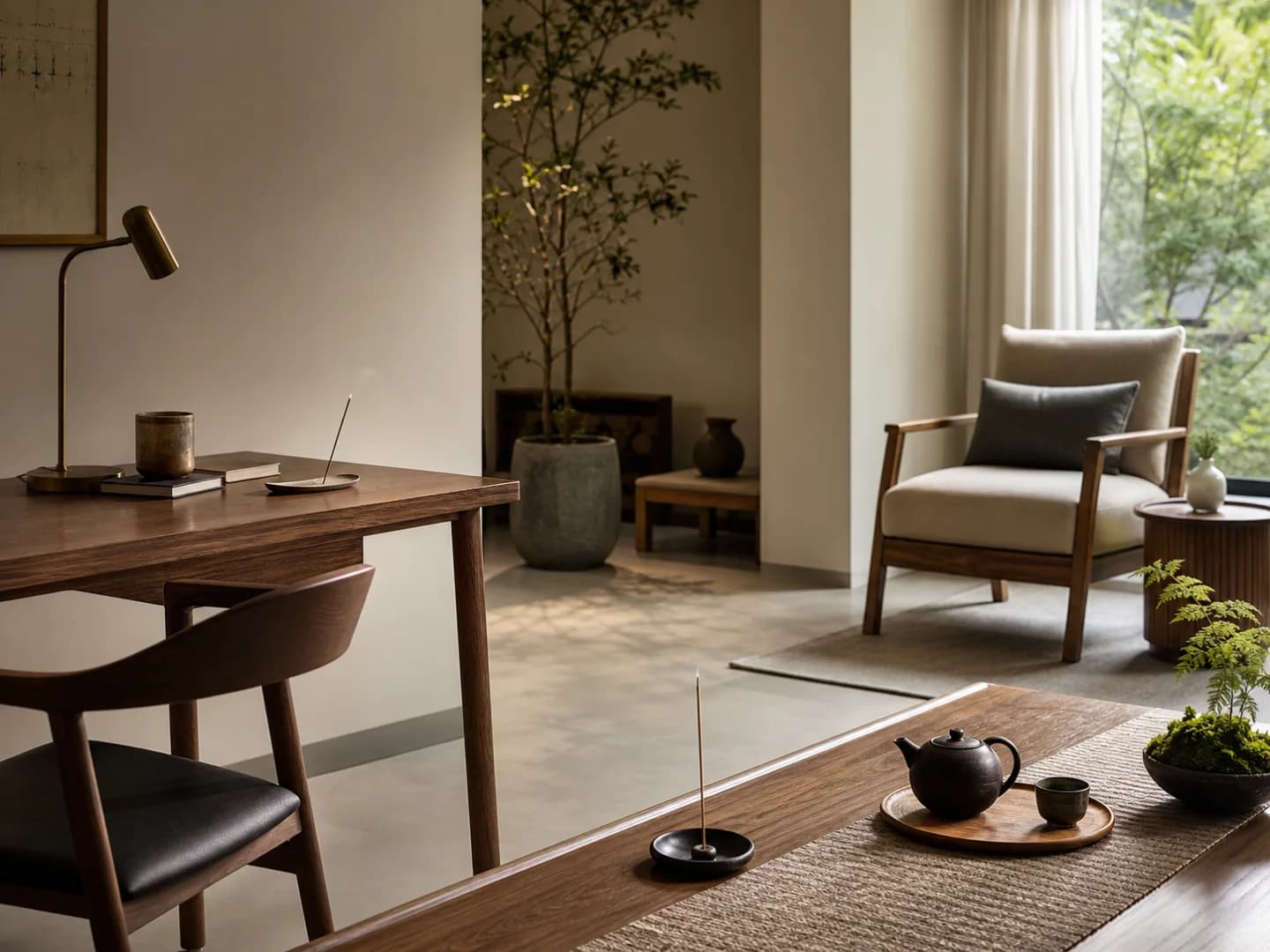
How to choose incense by room
Buying incense by scent name alone is risky. A scent that sounds beautiful may not fit the room where you plan to use it.
Read article ↗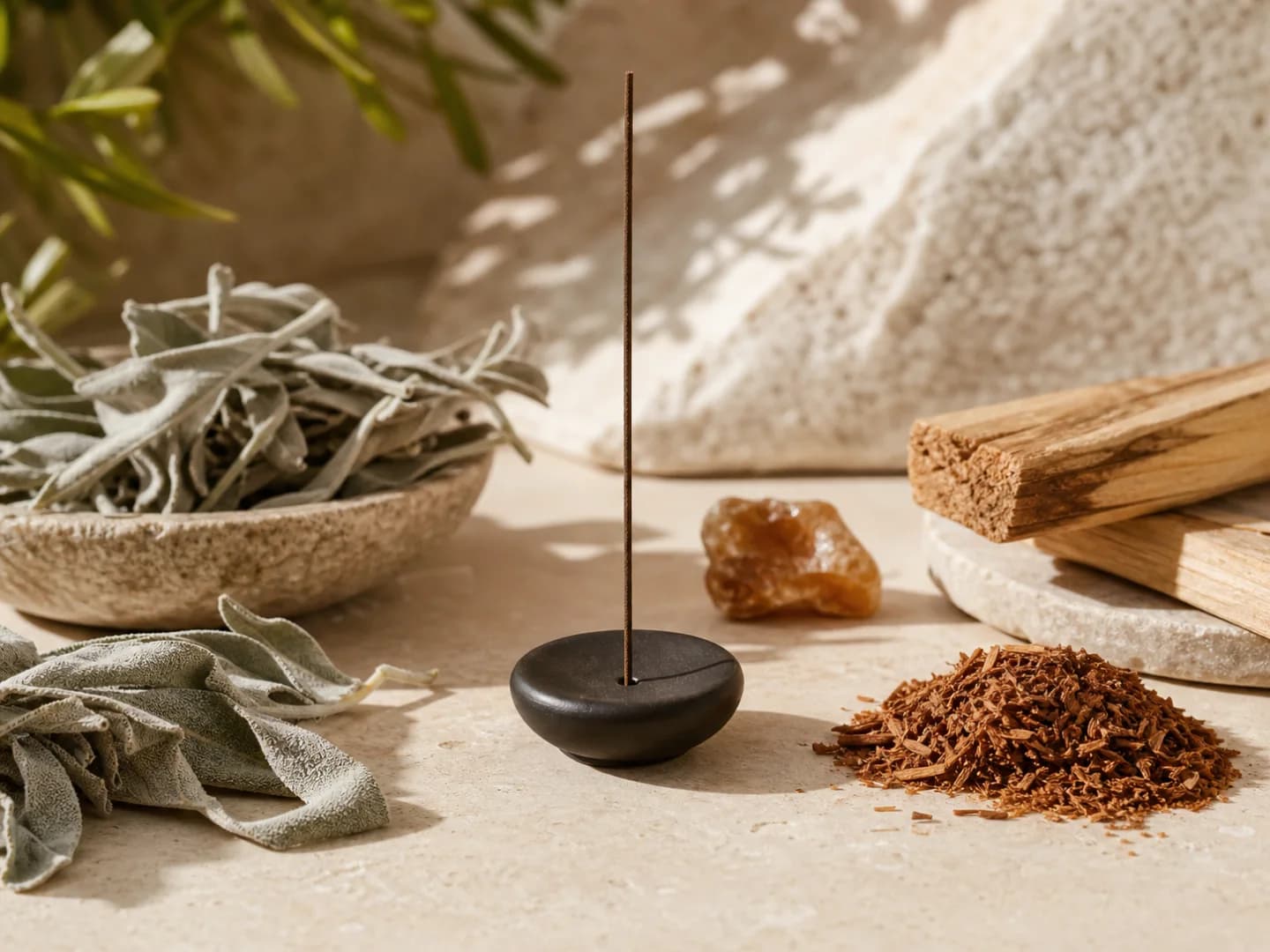
What does cedar, sage, and palo santo incense smell like?
Cedar, sage, and palo santo incense has a dry, woody, herbal scent. Cedar gives the blend a steady wood base. Sage adds a sharper green note. Palo santo brings…
Read article ↗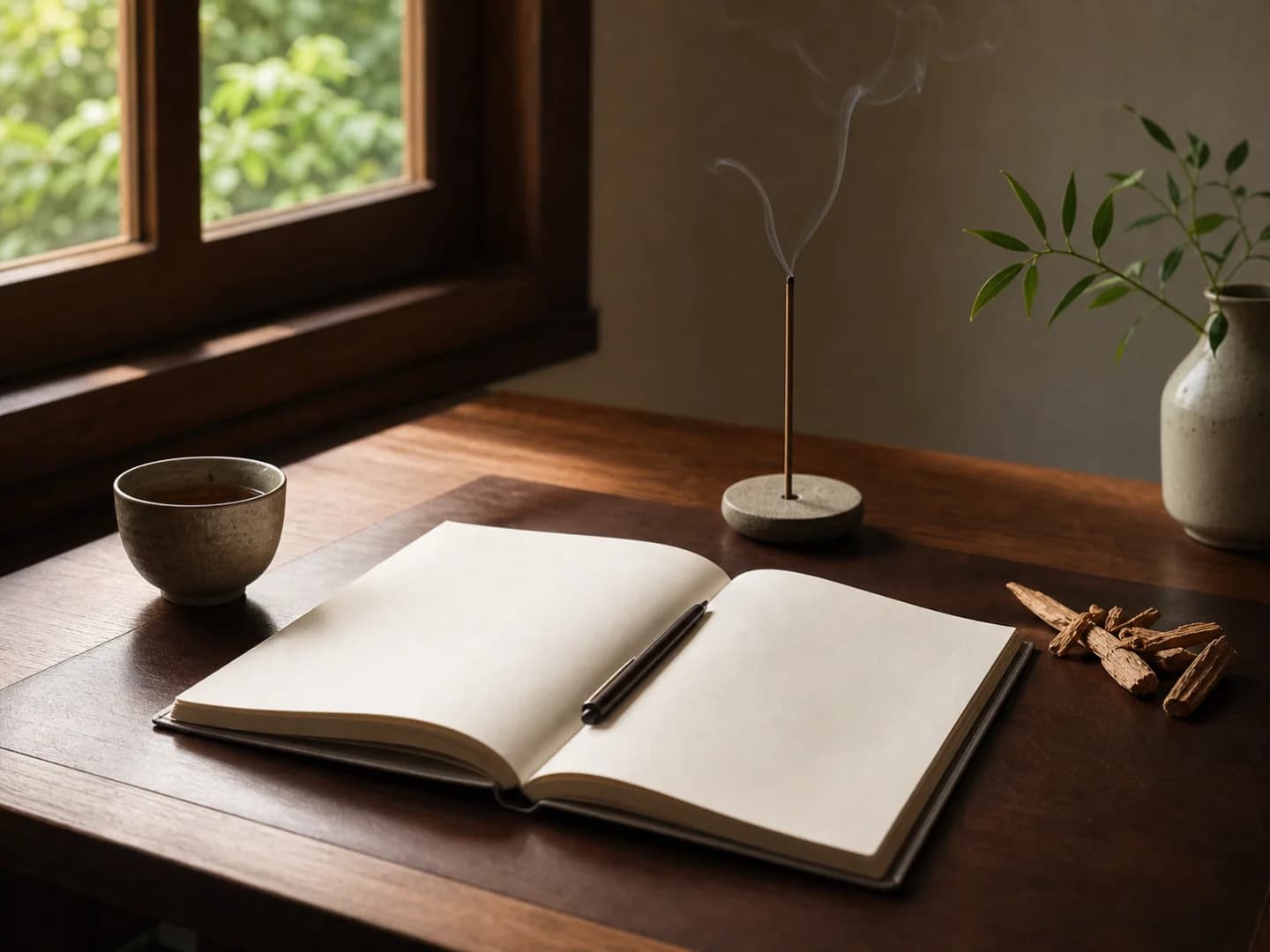
Best incense for meditation, journaling, and quiet work
For meditation or journaling, incense should help mark the beginning of a session. It should not become the whole session.
Read article ↗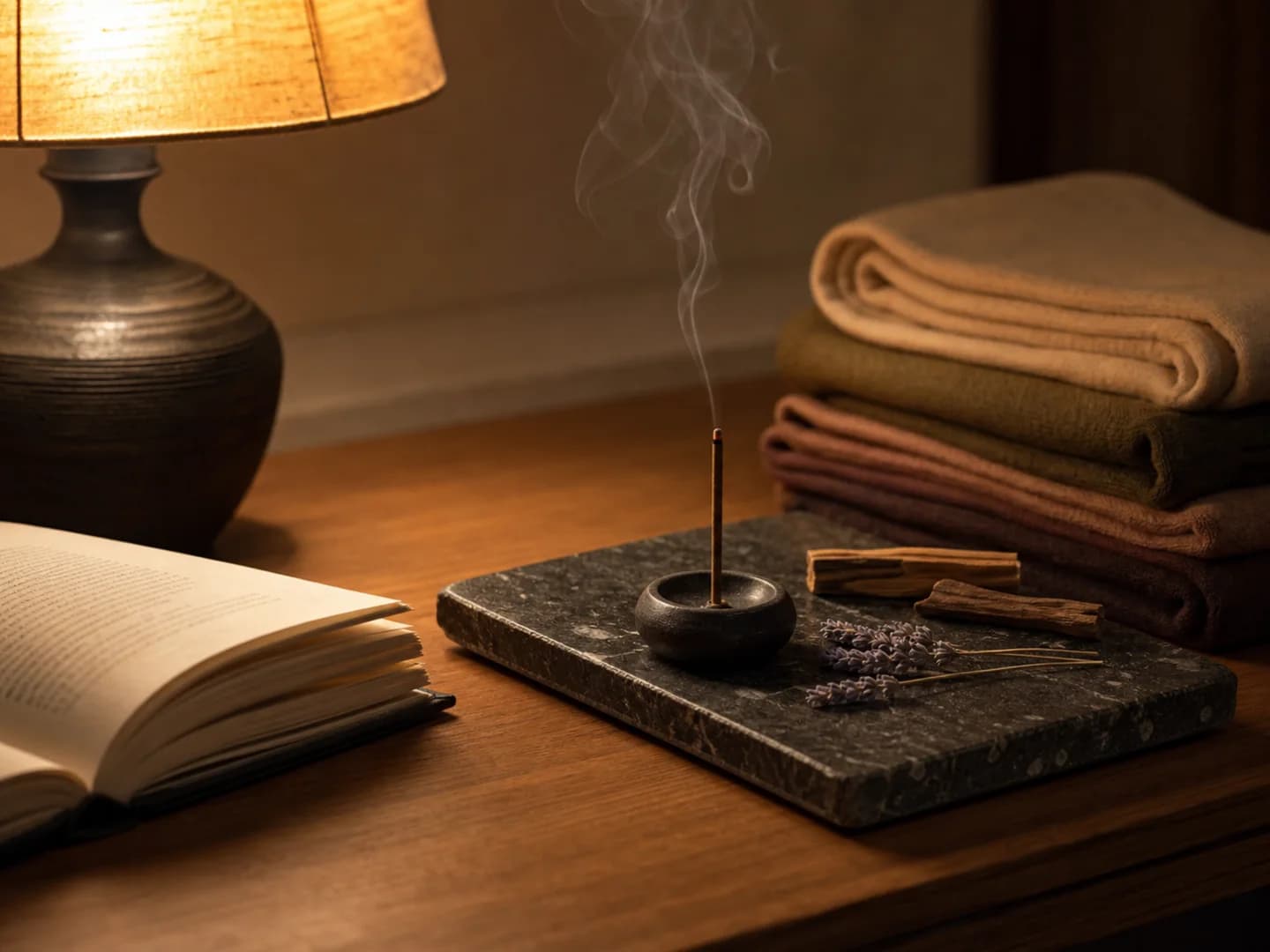
Best incense for evening rituals
Evening incense should not fight with the room. After dinner, after a shower, or before reading, most people do not need a dramatic scent. They need something…
Read article ↗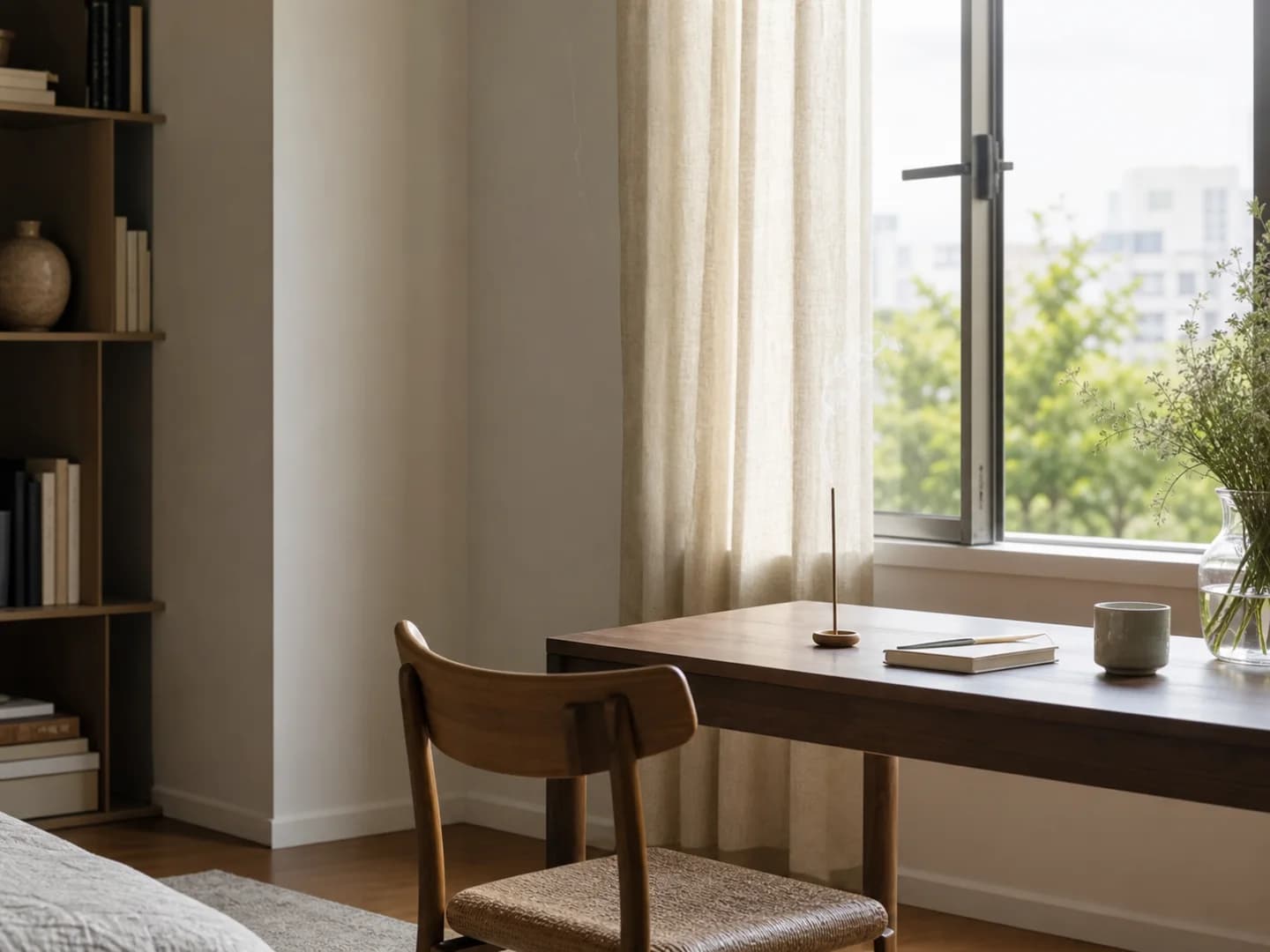
How to choose incense for a small apartment
Small apartments make fragrance more obvious. A scent that feels pleasant in a large room can feel heavy in a studio or bedroom. Incense is no exception.
Read article ↗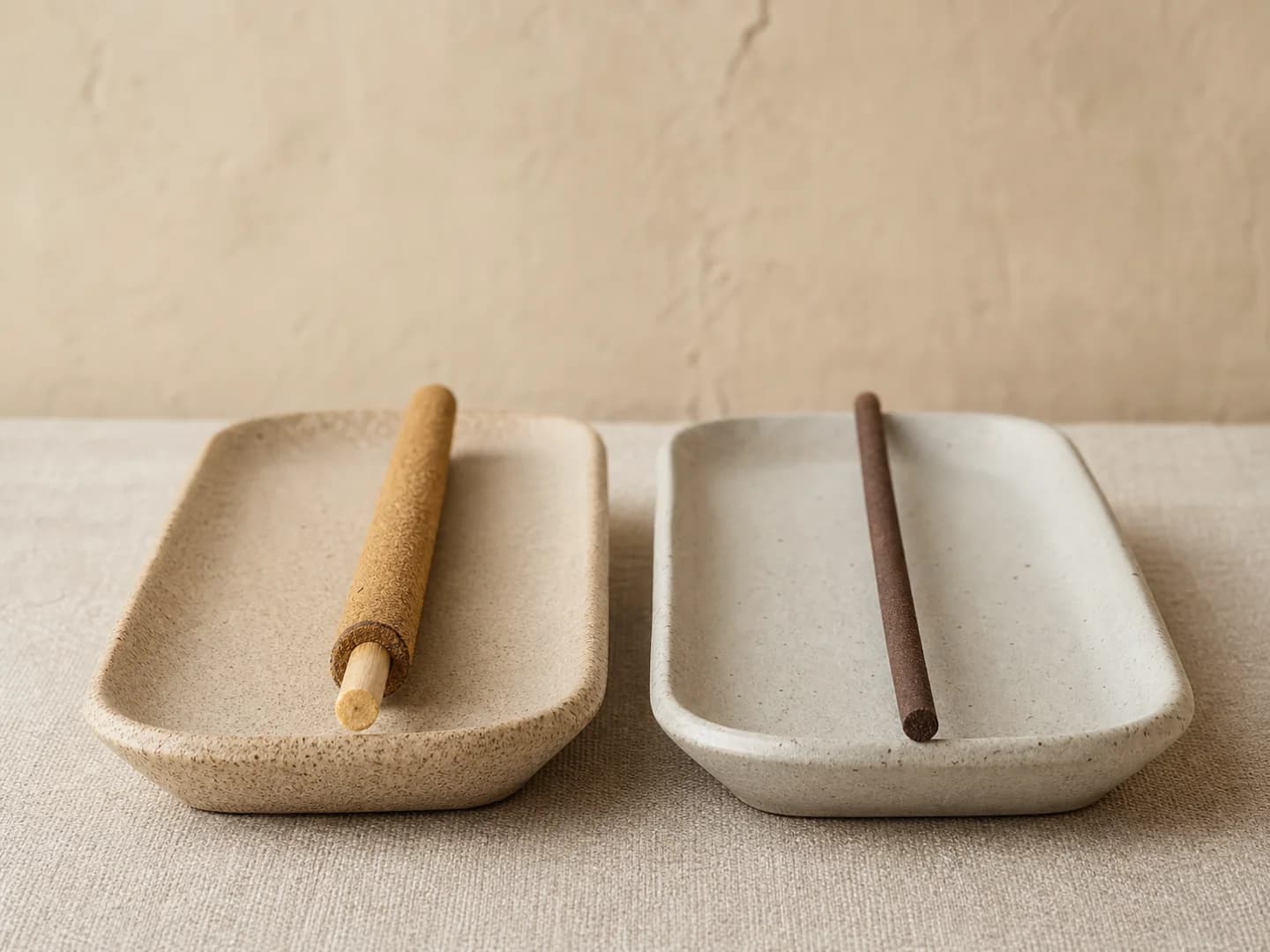
Chinese handmade bamboo-free incense vs bamboo-core perfumed incense
Not every Chinese incense is bamboo-free, and not every Indian incense is heavily perfumed. The useful comparison for buyers is more specific: a handmade bamboo-free stick…
Read article ↗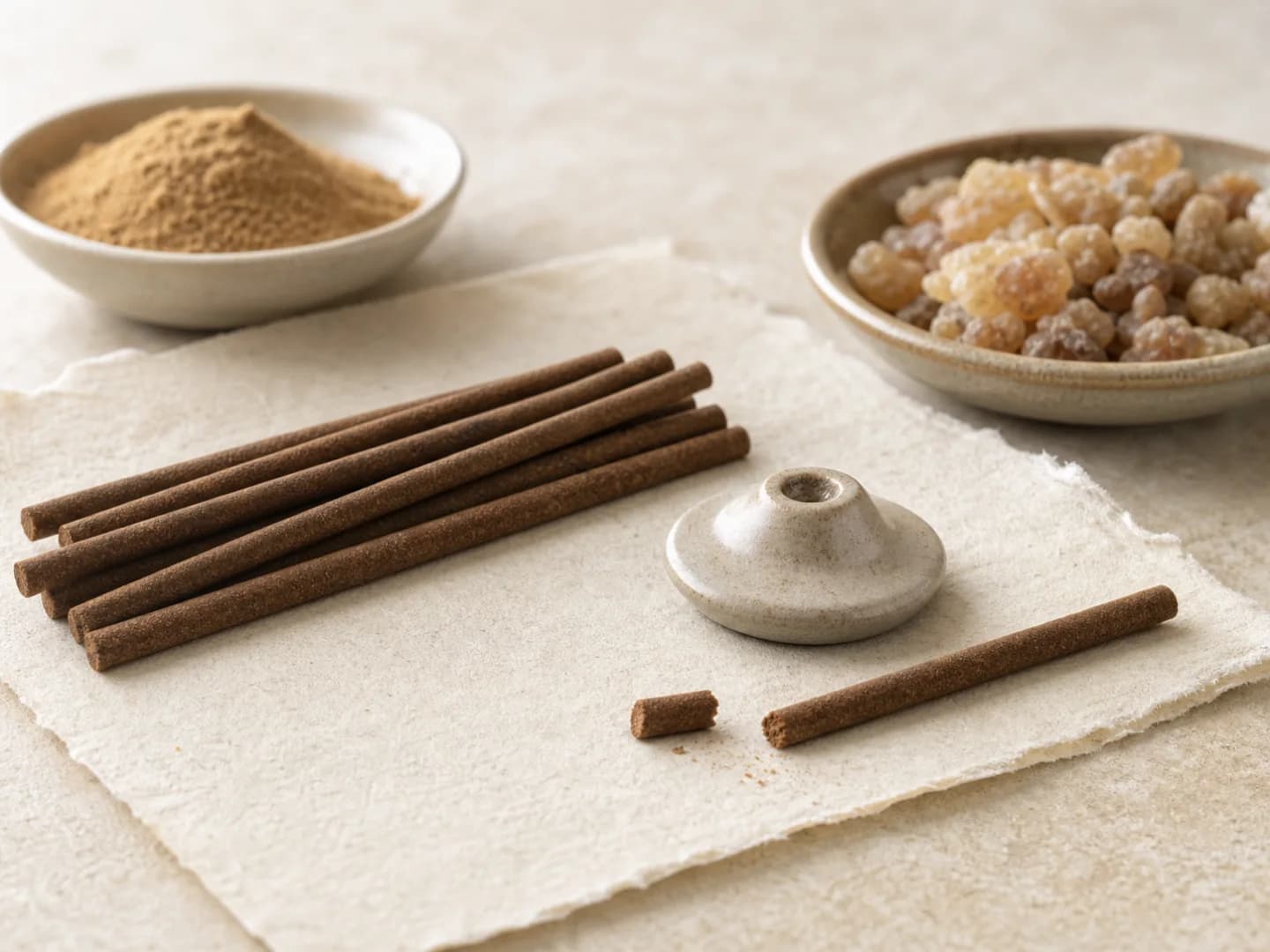
What is bamboo-free incense?
Bamboo-free incense is incense made without a bamboo stick running through the center. The fragrance material forms the stick itself, usually with wood powder…
Read article ↗